Riot Games
Tactical Shooter Meets Hero Abilities
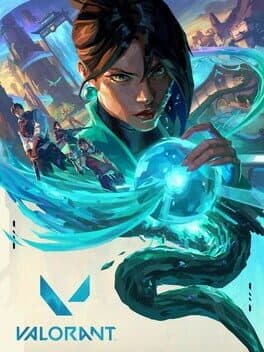
In Valorant, players engage in intense 5v5 matches where strategy, teamwork, and precision shooting reign supreme. The game combines classic tactical shooter mechanics with unique character abilities, allowing players to select from a roster of agents, each with their own skills and playstyles. Matches are fast-paced, often lasting around 30 minutes, and the objective revolves around planting or defusing a bomb, much like its predecessor, Counter-Strike.
Key Features
Monetization
Valorant is free-to-play, relying on cosmetic purchases for revenue. Players can buy skins for their weapons and agents, and while there are battle passes, they do not impact gameplay balance. This model keeps the competition fair while allowing players to express their style in-game.
Based on publicly available reviews and community feedback for Valorant.
Discover community tools, guides, and resources for Valorant.
No community tools or resources have been added for Valorant yet.
Have a Valorant tool, wiki, or community resource? We'd love to feature it here with a possible link exchange.
Submit Your Resource →Our editorial assessment of monetization practices in Valorant
How much paying affects actual gameplay power and competitive advantage
Valorant's monetization is strictly cosmetic. Players report that weapon stats and agent abilities are identical regardless of purchased skins, ensuring no competitive advantage.
Valorant has a P2W score of 1.3/10, which is considered minimal. Minor convenience items available. No significant gameplay advantage. The game offers a fair experience for players who don't spend money.
Yes, Valorant is free to play. You can download and play the game without any upfront cost, though it may offer optional in-game purchases.
Valorant is available on PC, Xbox Series X|S and PlayStation 5.
Valorant is a FPS, Tactical Shooter, and PvP game.
Valorant was developed by Riot Games.
Valorant has a pay-to-win score of 1.3 out of 10. This score is calculated based on 9 factors including gameplay impact, progression pressure, and monetization ethics. A lower score means the game is fairer for non-paying players.
No reviews yet. Be the first to share your experience!
While skill primarily determines success, community feedback indicates that having a wider agent pool can provide an advantage. However, the recent overhaul allows free access to agents, mitigating this impact.
All agents and essential gameplay content are earnable through gameplay. Kingdom Credits (KC) are exclusively earned in-game, ensuring no paywalled content affects gameplay.
How aggressively the game pushes players to spend money to progress
Progression is fair, with players able to earn Kingdom Credits through daily gameplay. However, some players find the grind for cosmetics can be time-consuming.
There’s no option to skip gameplay progression with real money. All agents must be earned through gameplay, maintaining a level playing field.
Limited-time cosmetic items create a sense of urgency among players. If players miss a week, they may lose access to specific skins, driving purchases.
Fairness and transparency of the monetization practices
Valorant has no gambling mechanics; players make direct purchases for cosmetics without randomized loot boxes or gacha systems.
Prices for premium currencies and items are generally clear, but the three-currency system can confuse some players regarding value.
Cosmetic items range from affordable to expensive, with skins costing between $10 and $80. While some items are accessible, high-end skins can be costly.
Our assessment of Valorant is based on the following publicly available sources:
Disclaimer: The P2W analysis for Valorant represents our editorial opinion based on publicly available information and community feedback as of July 2026. Game monetization systems may change over time. We encourage players to research current in-game purchases before making decisions. This analysis is provided for informational purposes only and should not be considered definitive or exhaustive.
If you believe any information is inaccurate or outdated, please contact us with corrections.